

Dr. Johri’s Multispeciality Hospital, Samana
A carefully planned assisted-reproduction pathway that brings eggs and sperm together in a laboratory before embryo transfer.
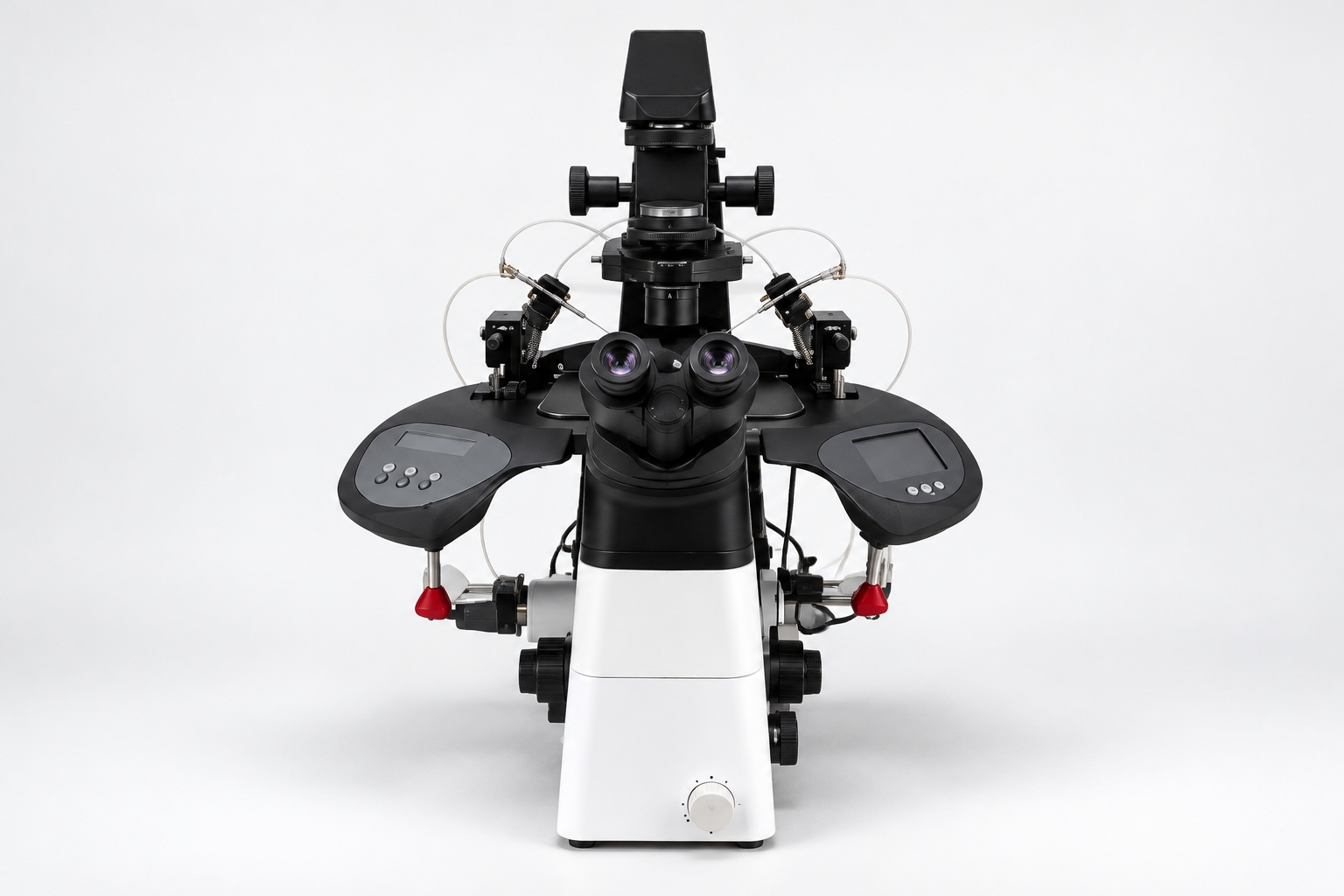
IVF is a carefully coordinated treatment that may include ovarian stimulation, ultrasound and blood-test monitoring, egg retrieval, laboratory fertilisation, embryo culture, embryo transfer and a planned pregnancy test. The exact protocol, medication plan and timing are personalised after reviewing both partners.
Before treatment, the fertility specialist may recommend ovarian-reserve testing, pelvic ultrasound, semen analysis and selected blood tests. ICSI, embryo freezing or other laboratory techniques are considered only when clinically appropriate.
Throughout the cycle, the team explains each stage, medicines, monitoring visits, likely timelines and practical precautions so patients can make informed decisions without unrealistic promises.
Important: A specialist should determine whether this pathway is appropriate after reviewing your history and investigations.
Review history, ovarian reserve, ultrasound, semen and relevant investigations.
Medication may be used to support development of multiple follicles with ultrasound and blood-test monitoring.
Eggs are collected and fertilised in the laboratory using the recommended technique.
An embryo may be transferred, followed by medication guidance and a planned pregnancy test.
IVF does not guarantee pregnancy. Outcomes can be influenced by age, ovarian reserve, sperm factors, embryo development, uterine health, previous treatment history and other individual findings.
Your personalised plan may cover:
Possible risks and limitations, including medication side effects, cycle cancellation, multiple pregnancy and ovarian hyperstimulation, should be discussed directly with the treating specialist. Seek urgent medical advice for severe pain, breathing difficulty, heavy bleeding or rapidly worsening symptoms.
No. The appropriate starting point depends on diagnosis, age, duration of infertility and previous treatment.
Egg retrieval is commonly performed with anaesthesia or sedation according to the clinical plan and facility protocol.
Timelines vary, but stimulation and retrieval often occur over a period of weeks, followed by transfer or freezing based on the plan.
A consultation can help connect general information with your own clinical situation.